Find Tile Installation Experts in Melbourne
Transform Your Space With Expert Flooring Services: Tiles, Installation & More
Professional flooring services fulfill a vital purpose in elevating both the design quality and functionality of any space. With multiple materials accessible, including timber, vinyl, and ceramic tiles, making the right choice can be challenging. Skilled installation further guarantees that these choices are executed impeccably. Understanding the benefits and maintenance of each type of flooring can significantly impact durability. What innovative trends should one consider when preparing a flooring upgrade?
Benefits of Picking the Ideal Flooring Material
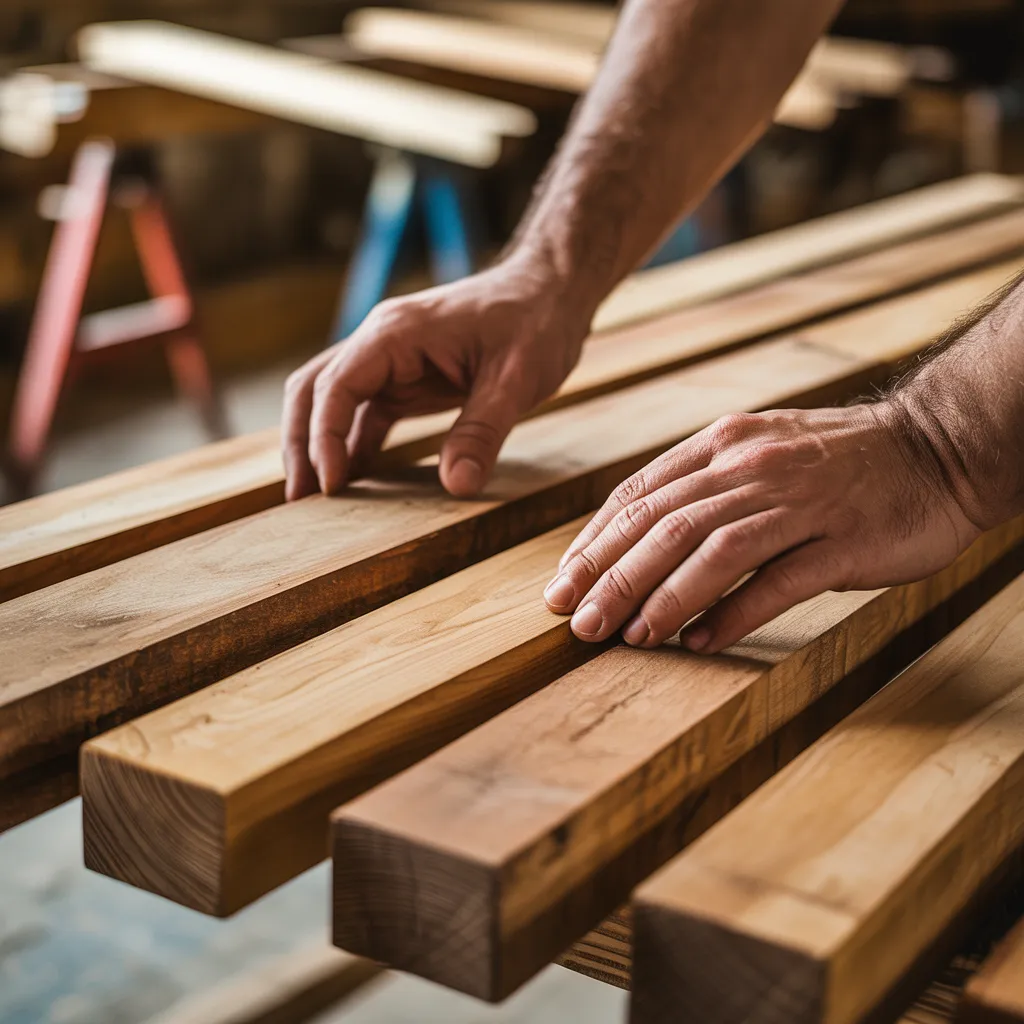
Picking the right flooring material is essential, as it can markedly impact both the aesthetics and functionality of a space. The selection influences not only the visual appeal but also the longevity, maintenance, and comfort underfoot. For example, hardwood flooring provides warmth and timeless elegance, while tile offers versatility and water resistance, making it perfect for high-moisture areas. Moreover, flooring choices enhance sound insulation, temperature regulation, and overall indoor air quality, which are critical for creating a comfortable environment.
Choosing suitable materials boosts safety while lowering the chances of slips and falls. Multiple flooring alternatives suit different lifestyle preferences and demands; families with children may prefer resilient materials, while luxury enthusiasts may select premium carpeting or upscale stone. Eventually, knowledgeable flooring material decisions create sustained satisfaction and elevated quality of life in all spaces.
Investigating Multiple Varieties of Flooring: A Detailed Guide
The flooring industry provides a selection of materials, each with distinctive characteristics and benefits. Understanding installation methods and maintenance demands is essential for making an informed choice. This guide provides a comprehensive overview of diverse flooring types to assist homeowners in their decision-making process.
Flooring Material Options
An extensive selection of flooring materials are accessible to suit different aesthetic preferences and practical needs. Options include hardwood, recognized for its traditional elegance and durability, and laminate, which presents a economical alternative that mimics wood. Vinyl is valued for its moisture resistance and versatility, making it excellent for kitchens and bathrooms. Tile, offered in ceramic and porcelain, supplies durability and a selection of design possibilities, while carpet adds coziness and comfort to living spaces. Natural stone, such as granite or marble, presents luxury and uniqueness but typically needs more maintenance. Each flooring material provides its benefits and limitations, making it important for homeowners to examine factors like budget, style, and functionality when picking the right option for their space.
Installation Methods Explained
Grasping the diverse installation methods is essential for enhancing the advantages of different flooring materials. Each type of flooring, whether hardwood, laminate, tile, or carpet, requires distinct approaches to ensure appropriate application and longevity. For illustration, floating installations allow for natural expansion and contraction, making them ideal for areas with fluctuating temperatures. Glue-down methods offer a secure bond for tiles and hardwood, while nail-down techniques are frequently used for solid wood floors. Additionally, the subfloor preparation significantly affects the overall performance and appearance. Specialists recommend assessing the environment and material characteristics to select the most appropriate installation technique. By employing the right methods, homeowners can achieve a durable and visually attractive floor that enhances their living spaces.
Maintenance Tips and Tricks
While each type of flooring has its specific characteristics, ongoing maintenance is vital for maintaining their beauty and functionality. For hardwood floors, regular sweeping and periodic polishing can avoid scratches and maintain luster. In contrast, tile flooring requires grout cleaning and sealing to avoid stains and moisture damage. Carpets benefit from regular vacuuming and professional deep cleaning to eliminate allergens and copyright appearance. Laminate flooring should be cleaned with a damp mop and gentle detergent to stop warping. Vinyl flooring is easily cared for with frequent sweeping and periodic mopping. Homeowners should also consider using protective mats in high-traffic areas and furniture pads to prevent damage. A tailored maintenance routine can greatly extend the life of any flooring type.
Why Professional Installation Matters
Professional installation of flooring is crucial for guaranteeing both the long-term performance and visual appeal of the final result. Faulty installation can lead to a range of problems, for example uneven surfaces, early wear, and even structural damage. A qualified professional comprehends the specific requirements of various flooring materials and the nuances of installation methods.
Additionally, professional installers learn the facts can identify potential issues before they arise, ensuring a streamlined process and reducing future repair costs. Their expertise allows for precise measurements and accurate cutting, which is essential for achieving a flawless finish.
Additionally, professional installation often includes warranties, giving homeowners peace of mind that their investment is protected. In contrast, DIY installations may not only compromise quality but also nullify any manufacturer warranties. Finally, selecting expert installation not only elevates the aesthetic appeal of the space but also guarantees its longevity for years to come.
How to Select the Right Flooring for Your Space
Choosing the right flooring necessitates thorough consideration of multiple factors. People should evaluate their lifestyle requirements, consider their aesthetic tastes, and assess budget constraints to make an informed decision. All of these elements plays a vital role in selecting flooring that meets both functional and design expectations.
Review Your Lifestyle Needs
How can someone ensure that their flooring choice aligns with their lifestyle demands? To commence, examining daily activities is crucial. For active households, resilient materials like tile or luxury vinyl might be perfect, as they withstand heavy foot traffic and accidental spills. On the other hand, quieter environments might benefit from softer flooring alternatives such as carpet, which provides warmth and sound absorption.
Moreover, considering pets is important; scratch-resistant and low-maintenance surfaces are ideal for pet owners. Those with allergies may lean towards hypoallergenic materials that reduce dust and allergens. Finally, examining maintenance requirements helps guarantee that the chosen flooring aligns smoothly with the homeowner's routine, making it a practical choice for their lifestyle.
Think About Visual Inclinations
A homeowner's flooring selection should additionally mirror their aesthetic tastes to establish a harmonious and welcoming environment. Selecting the right flooring involves considering the overall design theme of the home, whether it showcases current, timeless, or mixed styles. Various materials, including wood, ceramic, or composite flooring, can create unique ambiances. As an illustration, inviting wood shades can contribute a touch of warmth, while sleek tiles may enhance a contemporary vibe. Hue selections perform a vital part; pale colors can help a room seem more expansive, whereas deeper hues can introduce sophistication and intimacy. Furthermore, designs and surface variations can create aesthetic appeal. Finally, coordinating flooring selections with personal preferences helps confirm that the environment is both useful and beautiful.
Review Budget Constraints
When examining flooring selections, what budgetary restrictions must be acknowledged? Homeowners should first set a clear budget, factoring in both material and installation costs. Different flooring types, such as hardwood, laminate, tile, or carpet, feature different price points, affecting the overall expense. Additionally, one must account for potential hidden charges, such as underlayment, maintenance, and future repairs. It is also recommended to contemplate the long-term value of each flooring type; investing in high-quality materials may generate lower replacement costs over time. Comparing quotes from multiple suppliers can deliver a clearer picture of the financial commitment required. Ultimately, aligning flooring decisions with budget constraints guarantees a satisfactory balance between aesthetics and financial feasibility.
Care Guidelines for Extended Lifespan and Strength
Though numerous property owners concentrate on selecting the proper flooring material, upkeeping that flooring is equally vital for ensuring its longevity and durability. Regular cleaning is fundamental; applying a vacuum or broom to extract dirt and debris minimizes scratches and wear. For spills, quick cleanup with a damp cloth or proper cleaner is critical to stop stains and deterioration.
Furthermore, homeowners should consider placing area rugs in high-traffic zones to deliver extra protection. Periodic professional cleaning can also revitalize flooring and remove deep-seated grime. For wood flooring, applying a suitable sealant and polish elevates its appearance and protects against moisture.
Finally, monitoring humidity levels can help avoid warping or cracking in materials such as hardwood. By adopting these maintenance strategies, homeowners can considerably increase the longevity of their flooring and preserve its aesthetic appeal for years to come.
Game-Changing Flooring Designs to Evaluate
Keeping up with flooring is just as important as picking the right materials, but trends in flooring design can also significantly enhance a home's aesthetic and functionality. One notable trend is the use of large-format tiles, which minimize grout lines and create a uniform look, making spaces look larger. Moreover, natural materials like hardwood and stone are growing in popularity for their warmth and enduring appeal.
Environmentally friendly flooring solutions, like bamboo and recycled tiles, are also on the rise, drawing in environmentally conscious homeowners. Tactile surfaces, including embossed and matte finishes, introduce depth and character while boosting grip and safety.
Moreover, bold patterns and colors are being embraced for statement flooring, giving homeowners to demonstrate their individual taste. As these revolutionary flooring trends progress, they offer innovative solutions that not only enhance aesthetics but also enhance the total functionality of living spaces.
FAQ
How Much Time Does the Flooring Installation Process Usually Take?
Flooring installation typically takes anywhere from one to three days, depending on the space dimensions and the type of flooring. Elements like preparation and drying times can also affect the entire project length.
What Elements Impact the Pricing of Flooring Work?
Various factors impact flooring service costs, including the choice of materials, installation complexity, room size, and regional area. Additional expenses may come from removal of old flooring, subfloor preparation, and decorative features, all contributing to the overall price.
Can You Install New Flooring Over Existing Floors?
It's often possible to install new flooring over existing floors, depending on the style of flooring and the condition of the underlying surface. Proper assessment and preparation are essential to ensure a proper installation.
Are There Eco-Friendly Flooring Options Available?
Yes, green flooring alternatives are accessible, including bamboo, cork, recycled wood, and recycled materials. These options not only minimize environmental impact but also present longevity and unique aesthetics, making them eco-conscious choices for contemporary spaces.
What Warranties Are Offered on Flooring Materials and Installation?
Warranties for flooring products and installation services usually range from one year to twenty years, contingent upon the specific product and contractor. These guarantees generally cover product defects, normal wear, and faulty installation, providing homeowner peace of mind and coverage.